Noah Dean Jordan is a Canadian composer, multi-instrumentalist, photographer, and instrument builder whose work bridges microtonal music, ecological sound, intercultural collaboration, and visual storytelling. Rooted in Vancouver and working across Xalapa, Puebla, and the Oaxacan coast, Noah’s practice is both exploratory and grounded—emerging from deep study of tuning systems, fieldwork, and the intimate connection between place, memory, and sound.
His recent works reflect this multifaceted approach: Hachiku, a meditative album for 40 tuned bamboo pipes crafted and recorded in Togatta, Japan, explores breath, repetition, and the resonant possibilities of natural materials; Primero fue el recuerdo, with the collective Borders / Fronteras (alongside poet Tania Márquez), interweaves Mexican poetry, West African instrumentation, and multilingual sonic landscapes; Old Pine presents 23-limit just intonation duets for jarana and requinto, a collaboration with Terry Maple that pushes the boundaries of live acoustic microtonality; and There and Back Again, a return to piano composition, was recorded in San Luis Potosí using the 18-tone Sonido 13 microtonal system developed by Julián Carrillo.
Across these works, Noah engages tuning not merely as a musical framework but as a philosophical one. Influenced by Gödel’s incompleteness theorem and the mathematics of resonance, his music explores the limits of formal systems and the expressive potential of their imperfections—where harmony emerges not from uniformity but from the tension between structure and entropy.
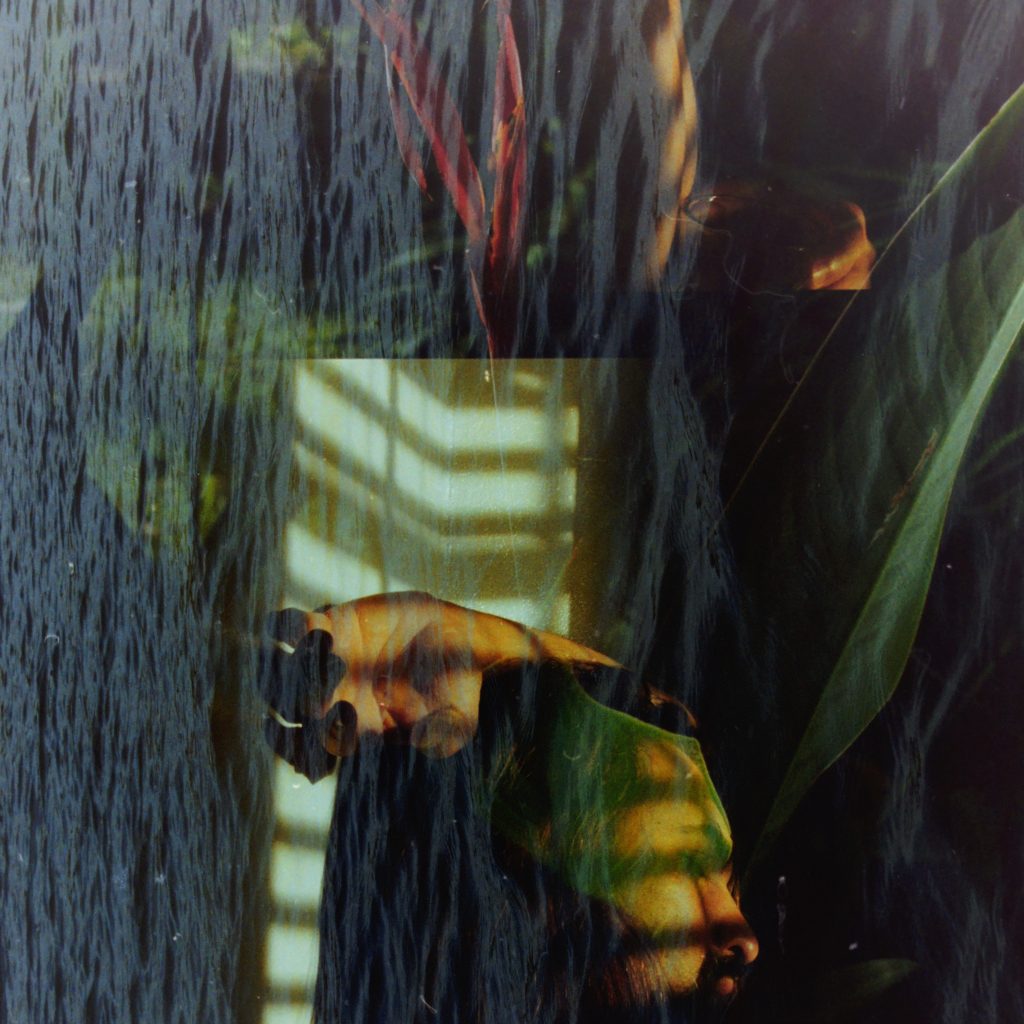
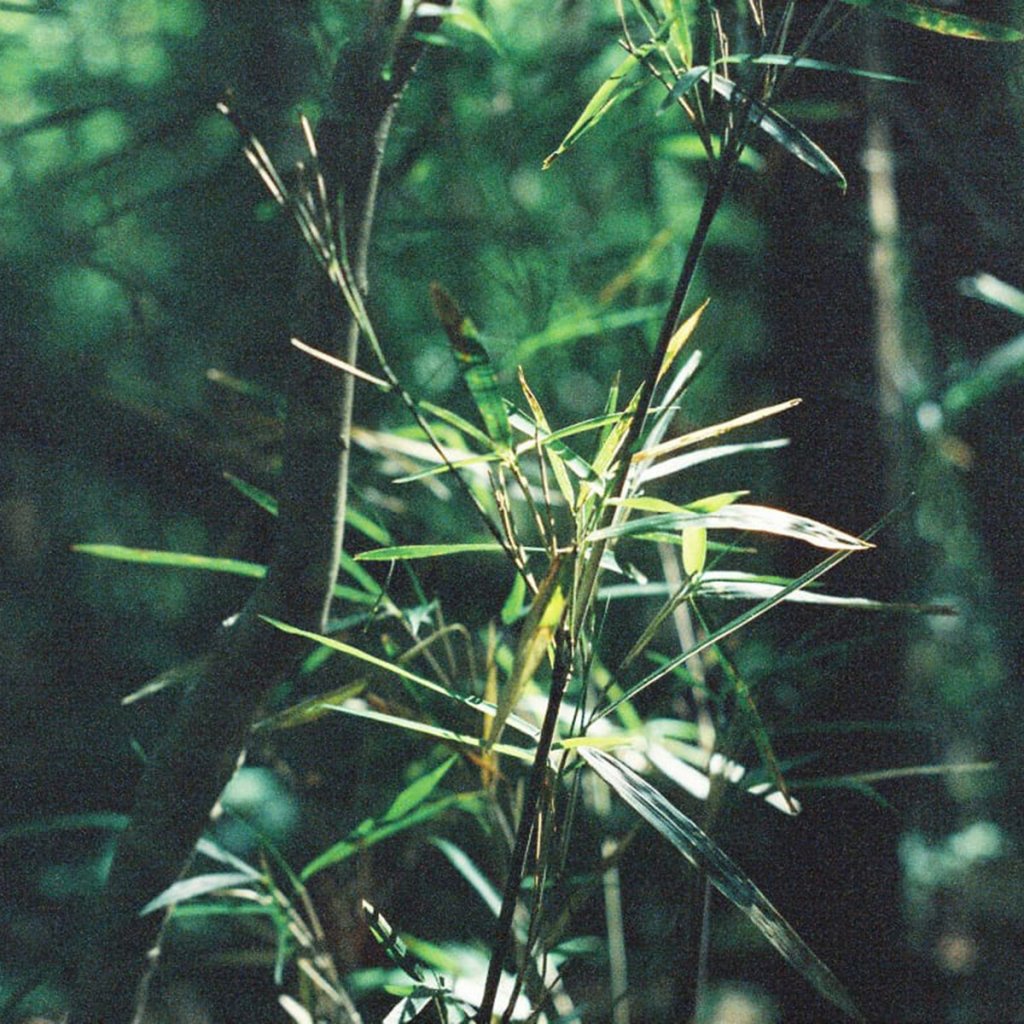
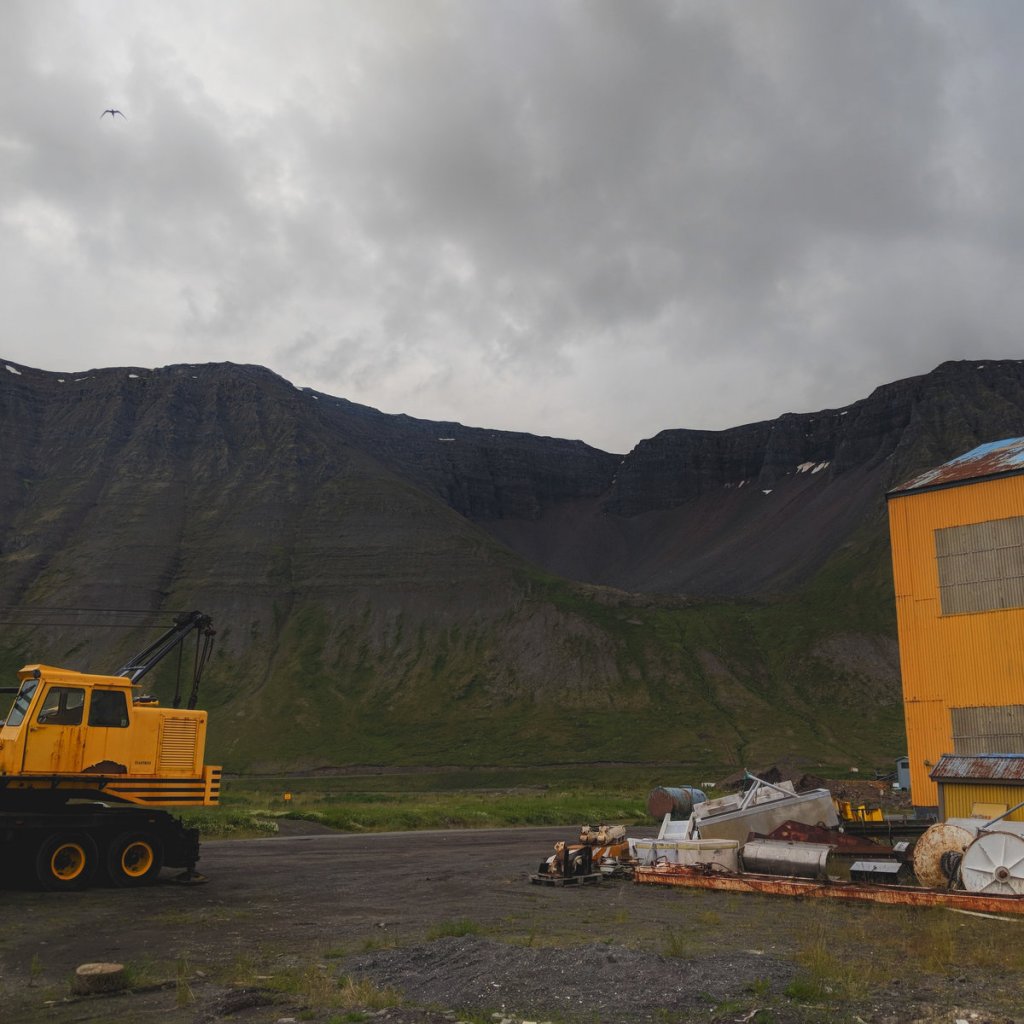
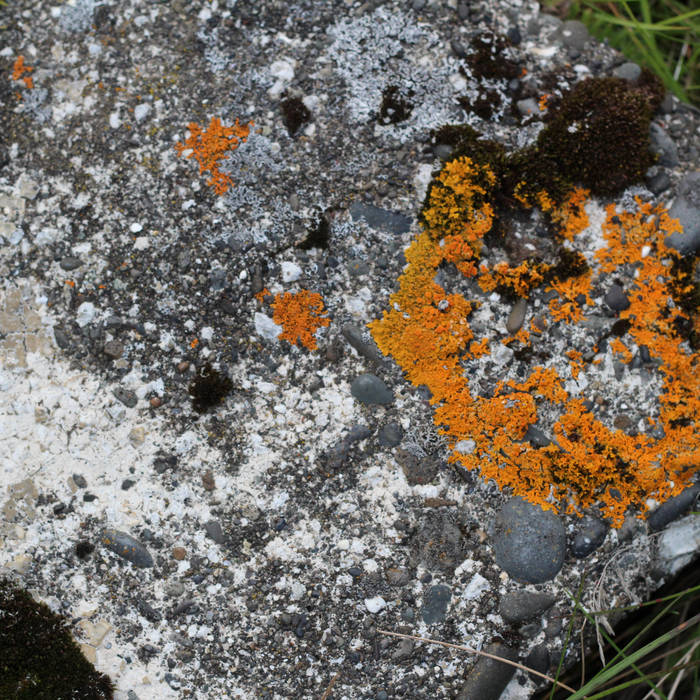
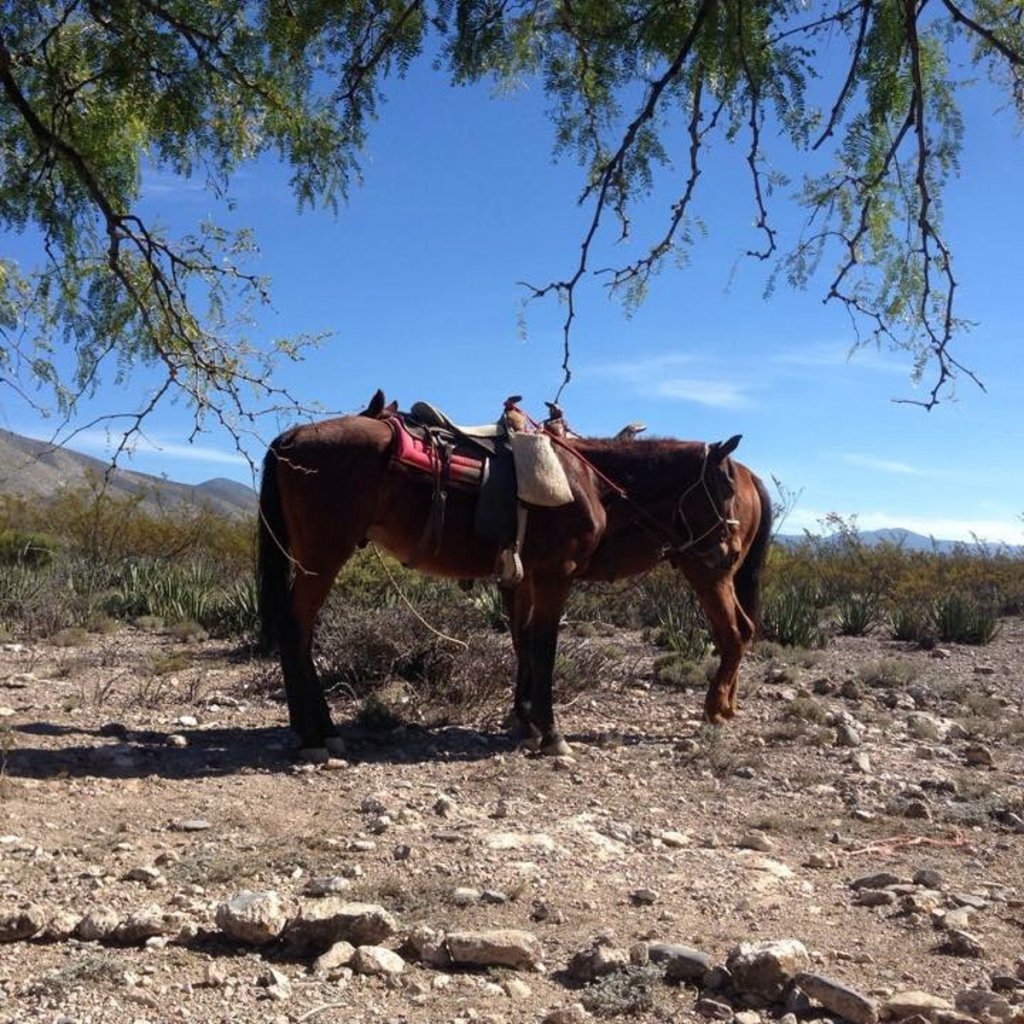
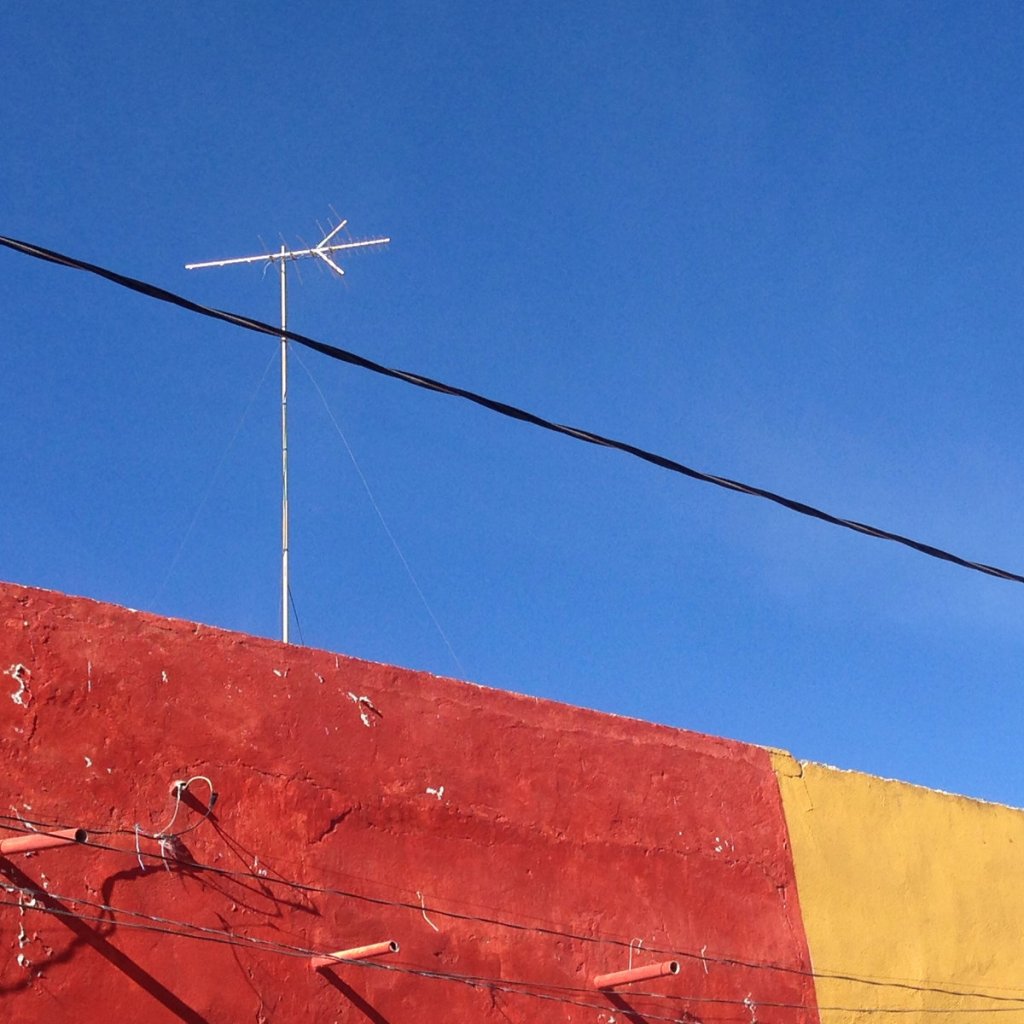
He has studied and created music in Japan, Mexico, Iceland, West Africa, and Canada, focusing on ecological instruments, ancestral tunings, and non-Western modes of listening. His photography, often using natural light and analog formats, complements his sonic practice—documenting transient moments, textures of place, and the poetics of disappearance.
Noah’s work exists at the edge of categories: between composer and improviser, traditional and experimental, analog and algorithmic. Whether tuning by ear, crafting new instruments, or shaping immersive installations, he invites audiences into subtle sonic ecologies—spaces where sound becomes a way of knowing, remembering, and imagining otherwise.





 Noah Dean Jordan